

Advanced Additive Manufacturing for Consumer Electronics Innovation
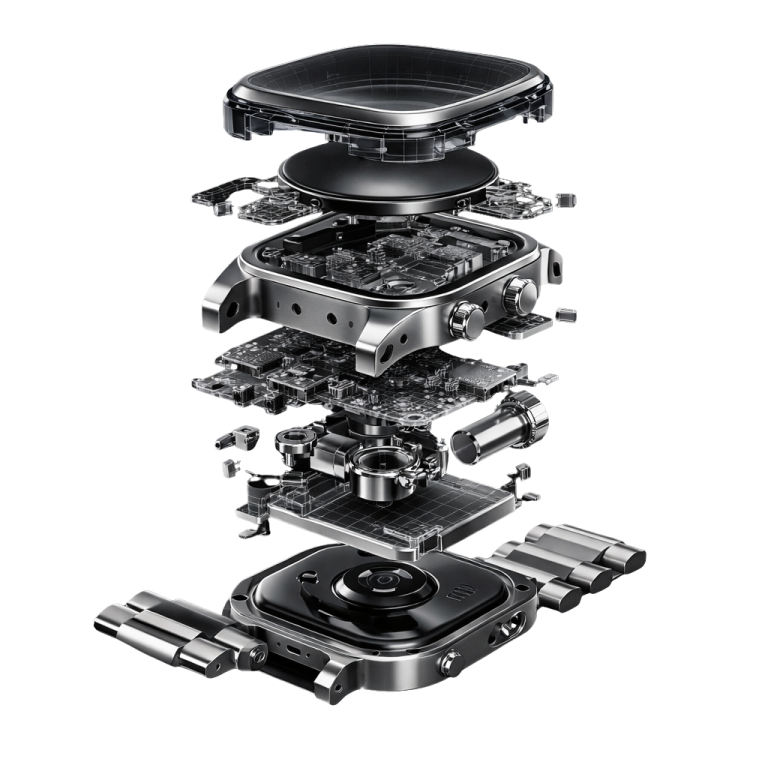
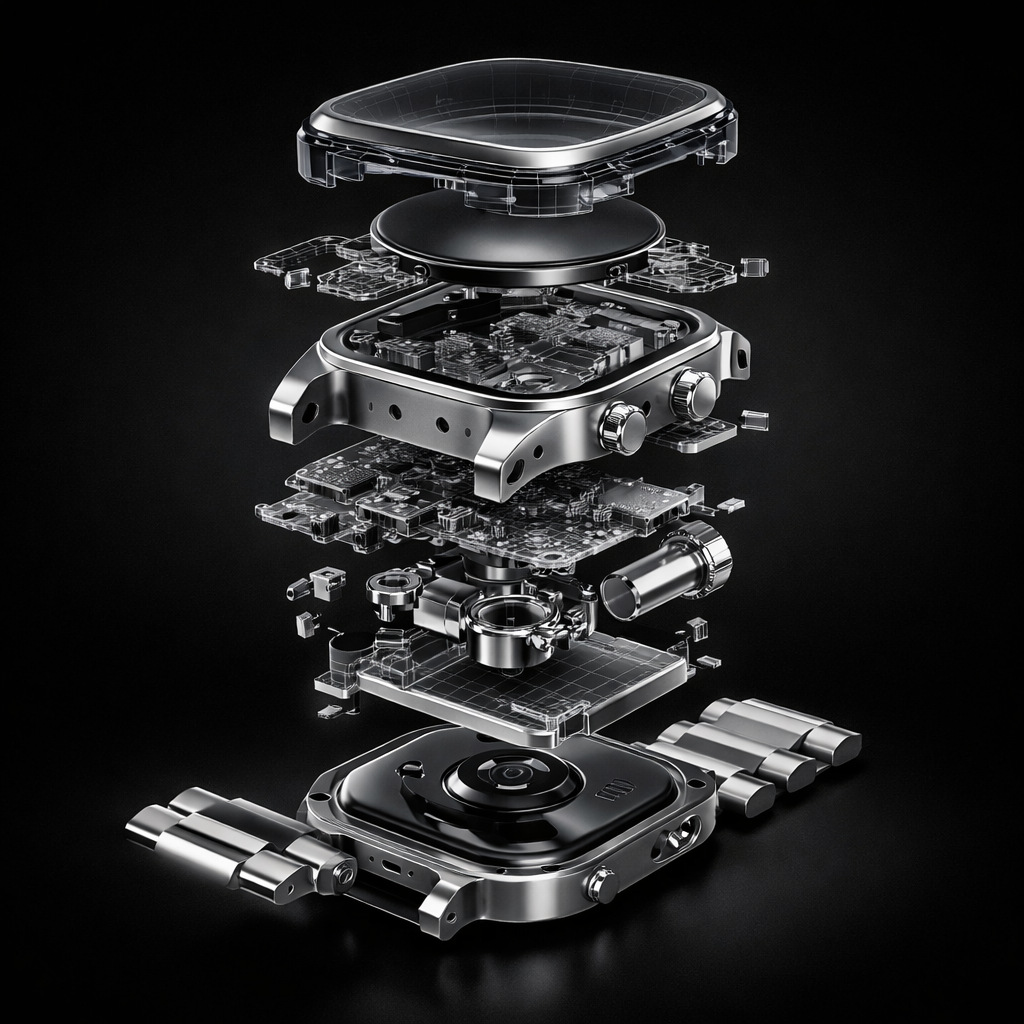
The consumer electronics industry demands constant innovation—driven by shorter product lifecycles, evolving user expectations, and increasing pressure to deliver smaller, smarter, and more integrated devices.
From wearable technology and smart home devices to mobile hardware and semiconductor-adjacent components, manufacturers must balance speed, precision, and scalability at every stage of development.
Azoth partners with consumer electronics companies as a digital manufacturing partner, enabling rapid iteration, complex part production, and flexible manufacturing strategies—helping teams accelerate development timelines, reduce costs, and bring differentiated products to market faster.
Key Capabilities for Consumer Electronics
Using technologies like binder jetting and lithography-based metal additive manufacturing, Azoth produces precision metal parts with fine features, tight tolerances, and high repeatability—ideal for compact, performance-critical devices.
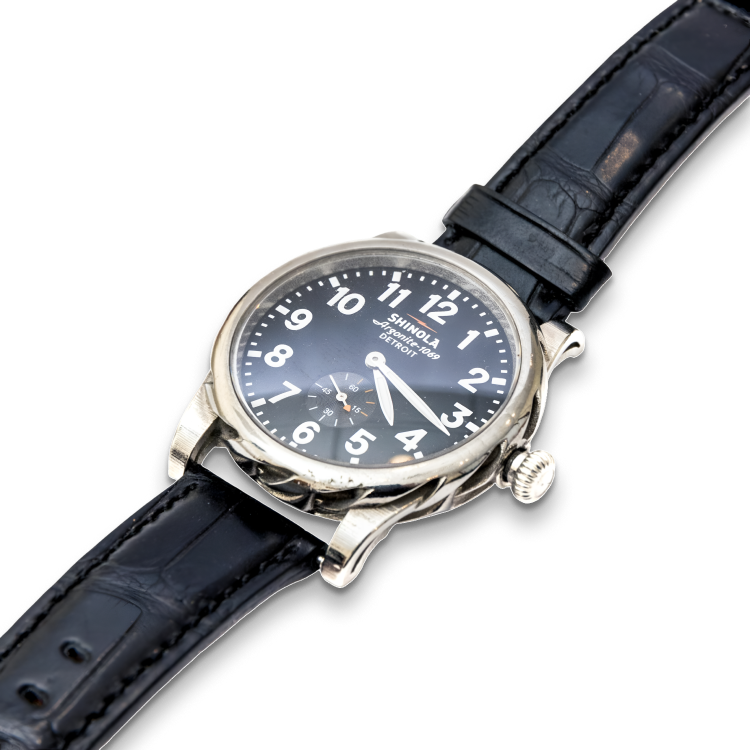
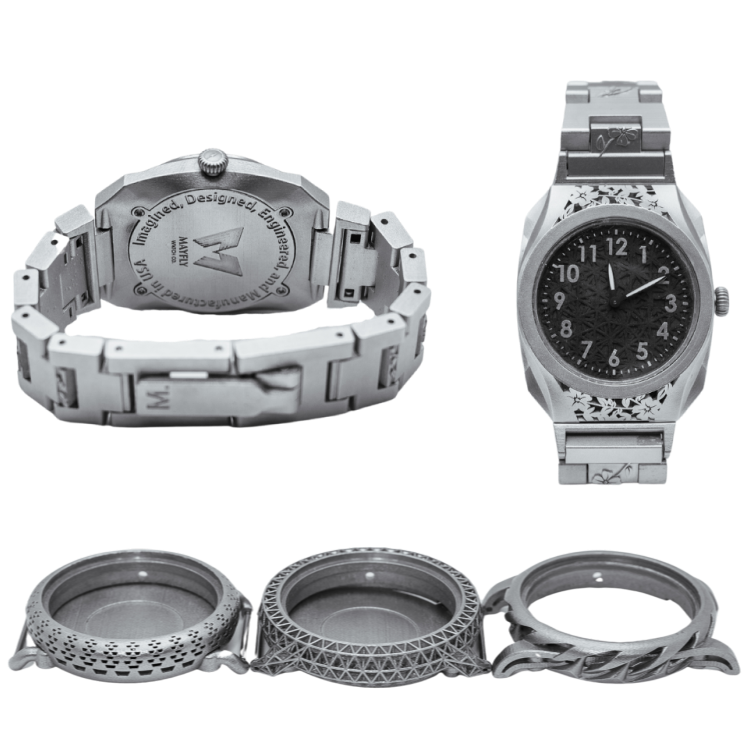
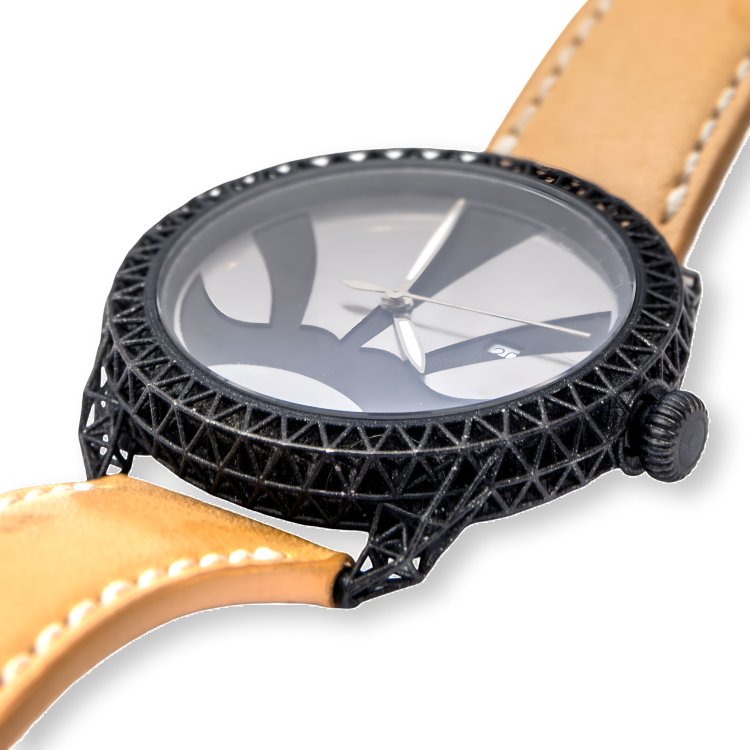
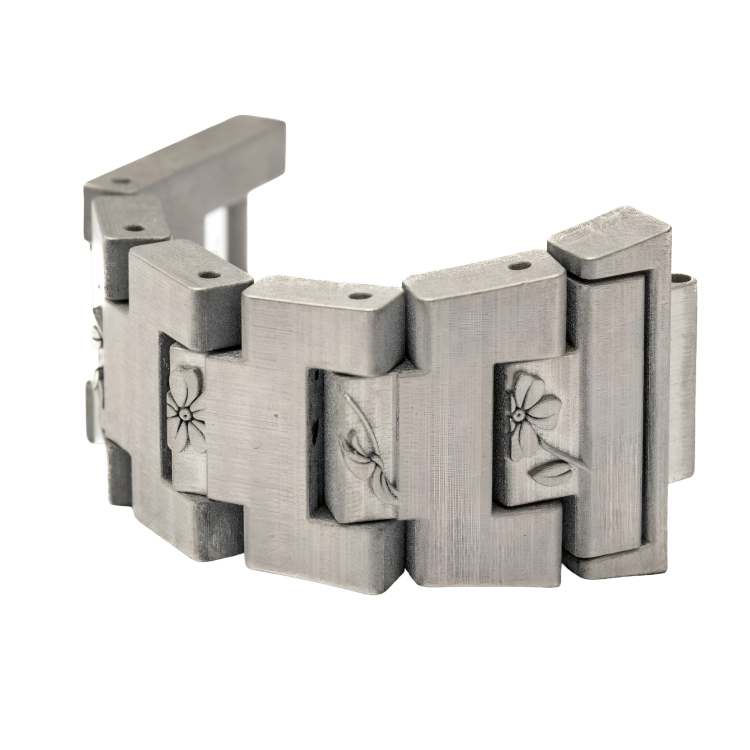
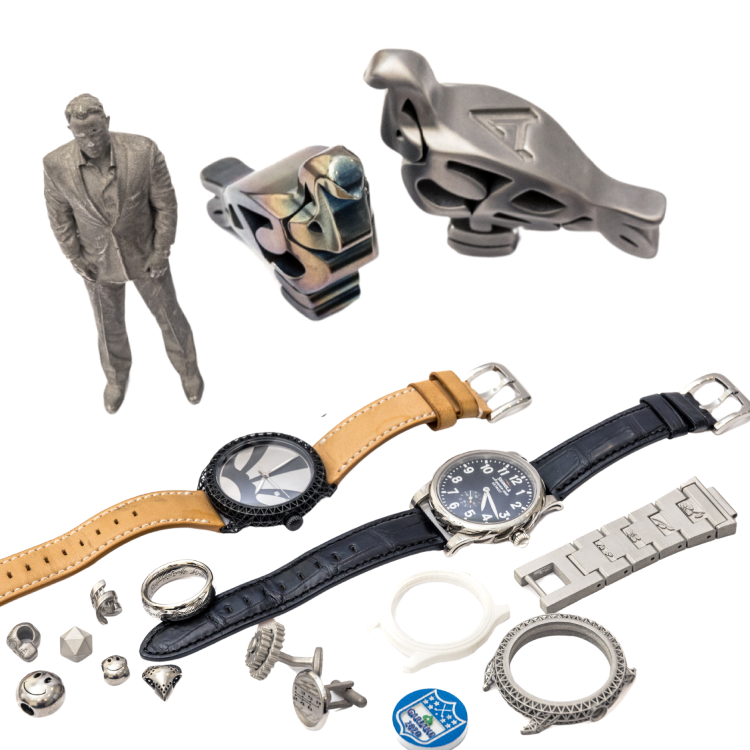
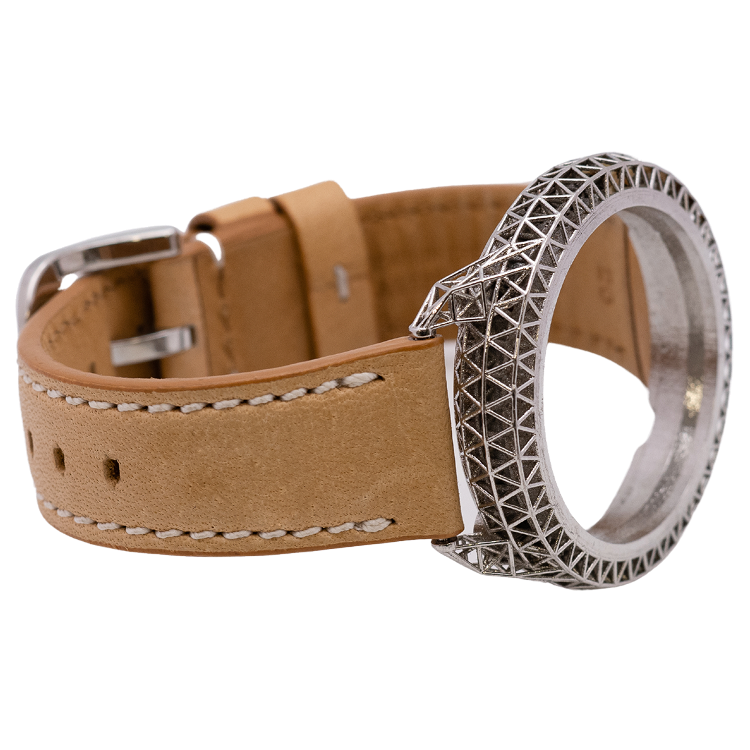
- Miniaturized, Complex Components – Azoth specializes in geometries that are difficult or impossible to machine or mold—such as internal channels, lattice structures, and intricate housings. These are essential for wearables, connectors, thermal components, and micro-mechanisms where space is limited and performance is critical.
- Rapid Iteration to Production – Electronics companies operate on aggressive product development cycles. Azoth enables fast design iteration and validation, then seamlessly transitions those same designs into serial production—eliminating the need to retool or redesign for manufacturability.
- Thermal and Structural Performance – Metal additive manufacturing allows for optimized heat dissipation—integrated heat sinks, thermal spreaders—and high-strength parts in compact form factors, key for smartphones, AR/VR systems, and power electronics.
-
Supply Chain Flexibility & Digital Inventory – Azoth’s model supports on-demand manufacturing and localized production, reducing reliance on overseas tooling and long lead times. Especially valuable for product launches, service parts, and managing demand variability.
- Production-Grade Quality Systems – With experience across automotive, medical, and defense sectors, Azoth brings rigorous quality control, traceability, and process validation—helping electronics OEMs confidently deploy additively manufactured metal parts in end-use applications.
- Addressing Key Manufacturing Challenges – Azoth directly addresses the core pressures of consumer electronics manufacturing: accelerating time to market, enabling design complexity and miniaturization, reducing tooling costs for low-volume production, and increasing supply chain agility through domestic, on-demand manufacturing.
A Compelling Alternative to CNC Machining
For many consumer electronics components—particularly where complexity, scale, and cost intersect—Azoth’s additive approach outperforms traditional CNC machining:
- Complexity without cost penalty:Internal geometries, undercuts, and fine lattice structures are produced in a single build—eliminating multi-axis machining setups, custom fixturing, and secondary operations.
- Reduced material waste: Unlike subtractive machining that removes material from billet, Azoth’s processes use only the material needed—improving efficiency, especially for high-cost alloys.
- Scalable economics at volume: For small, intricate parts, additive manufacturing can outperform machining on cost by eliminating setup time, tool wear, and cycle-time constraints.
-
Part consolidation: Multiple machined components can often be combined into a single printed part, reducing assembly, tolerance stack-up, and supply chain complexity.
- Faster time to production: No tooling or complex process development required—programs move directly from design to production, critical in fast-moving electronics markets.
Applications in Consumer Electronics
Azoth delivers across the full product development and production lifecycle:

Rapid Prototyping & Design Iteration

Enclosures, Housings & Structural Components

Precision Components for Consumer Devices

Thermal Components & Heat Management

Jigs, Fixtures & Manufacturing Tooling

Bridge & Low-Volume Production
Applications in Consumer Electronics
Azoth delivers across the full product development and production lifecycle:
Rapid Prototyping & Design Iteration
Enclosures, Housings & Structural Components
Precision Components for Consumer Devices
Thermal Components & Heat Management
Jigs, Fixtures & Manufacturing Tooling