Precision CNC Machining for Small, Complex Parts
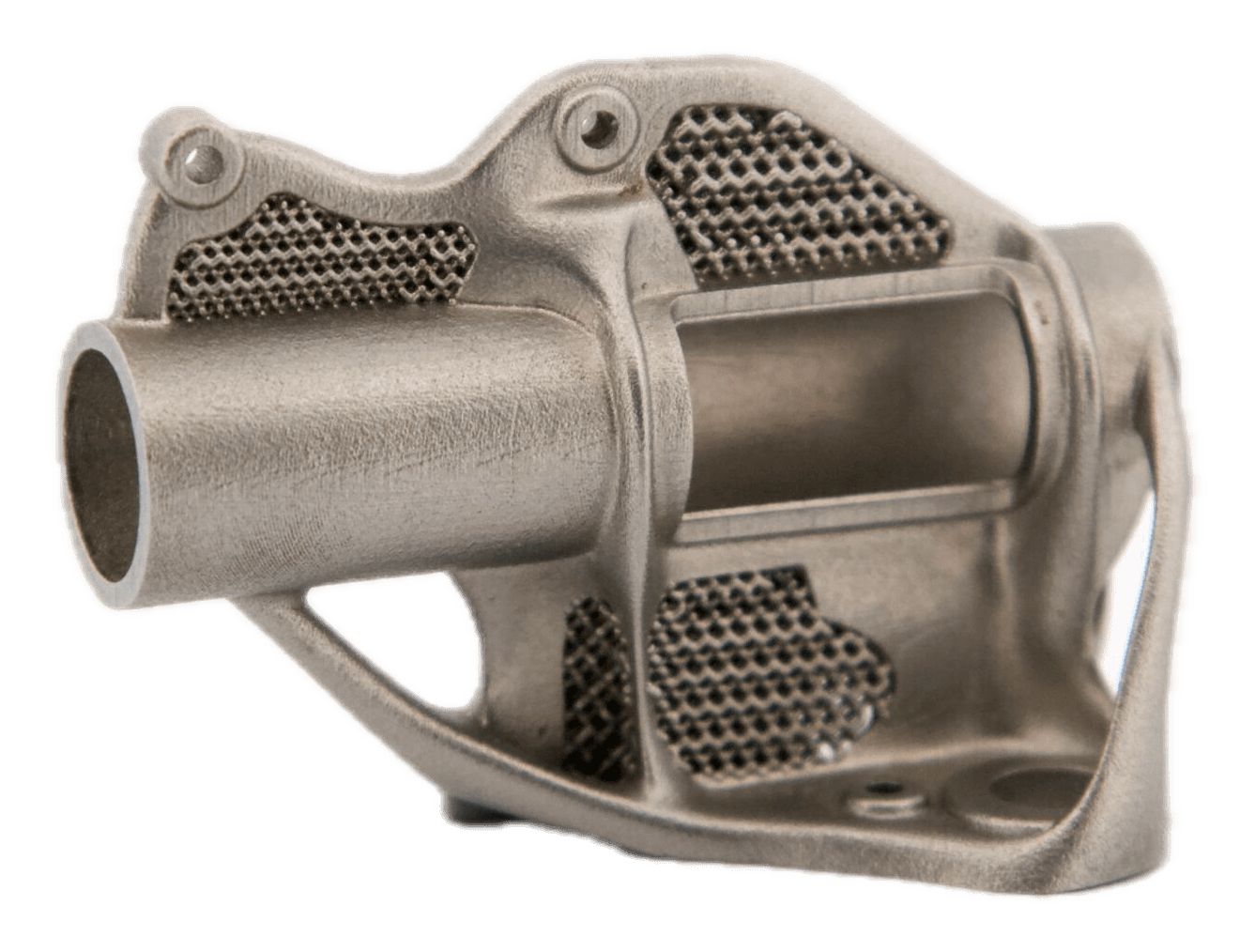
Additive manufacturing makes it possible to produce complex geometries that traditional manufacturing can't achieve alone, but creating the part is only the first step. Azoth's in-house 5-axis CNC machining turns complex printed components into finished, production-ready parts.
Defense Applications
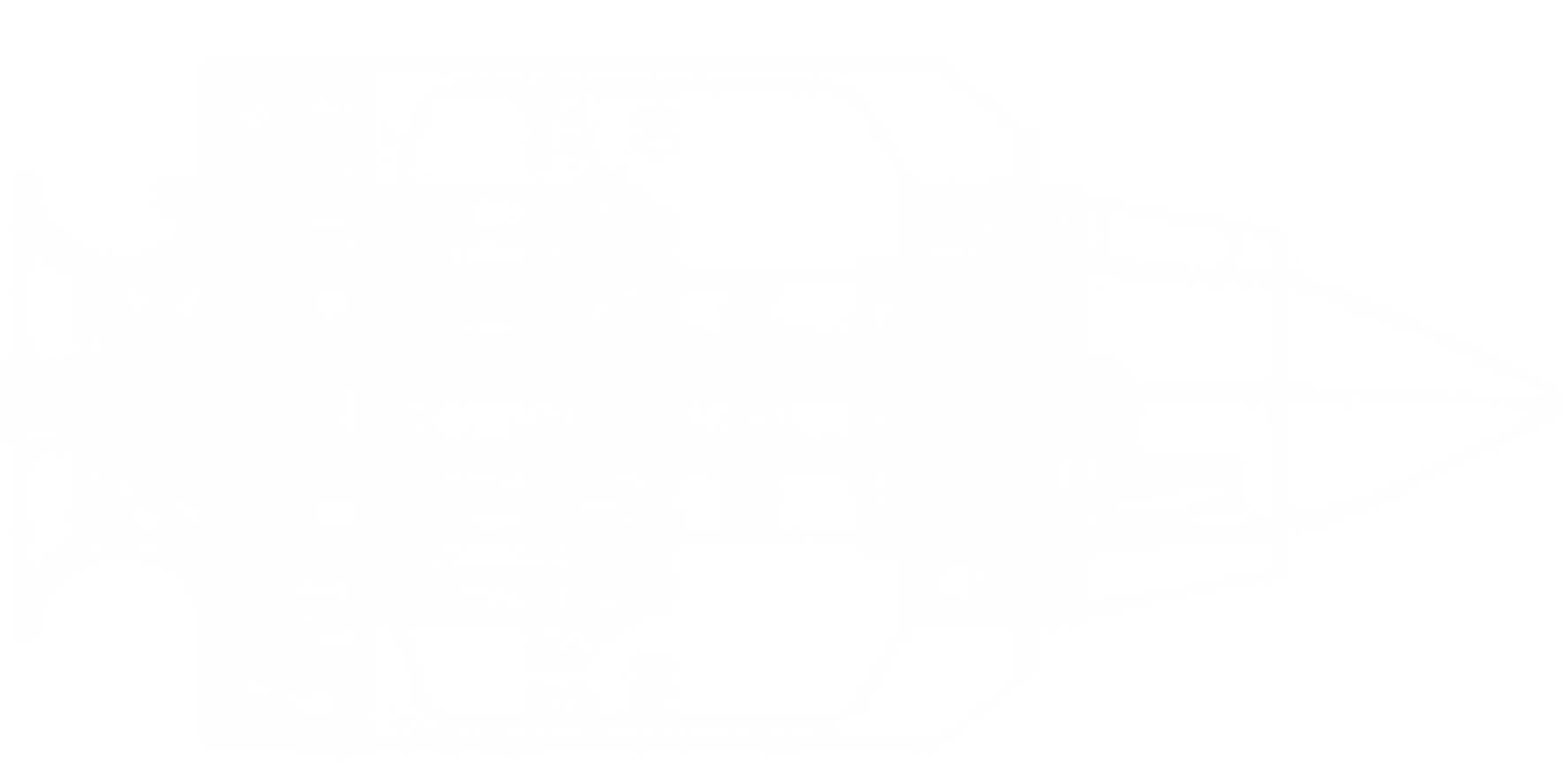
ITAR-compliant U.S. production of complex, mission-critical parts in high-strength alloys, with full traceability and inspection documentation.
Explore defense manufacturingMedical Applications
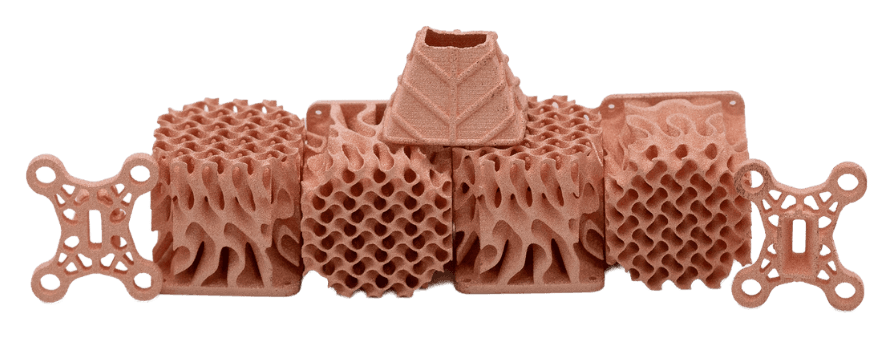
Surgical instruments, end-effectors and small implantable components with tight-tolerance interfaces, in fully documented, repeatable production runs.
Explore medical manufacturing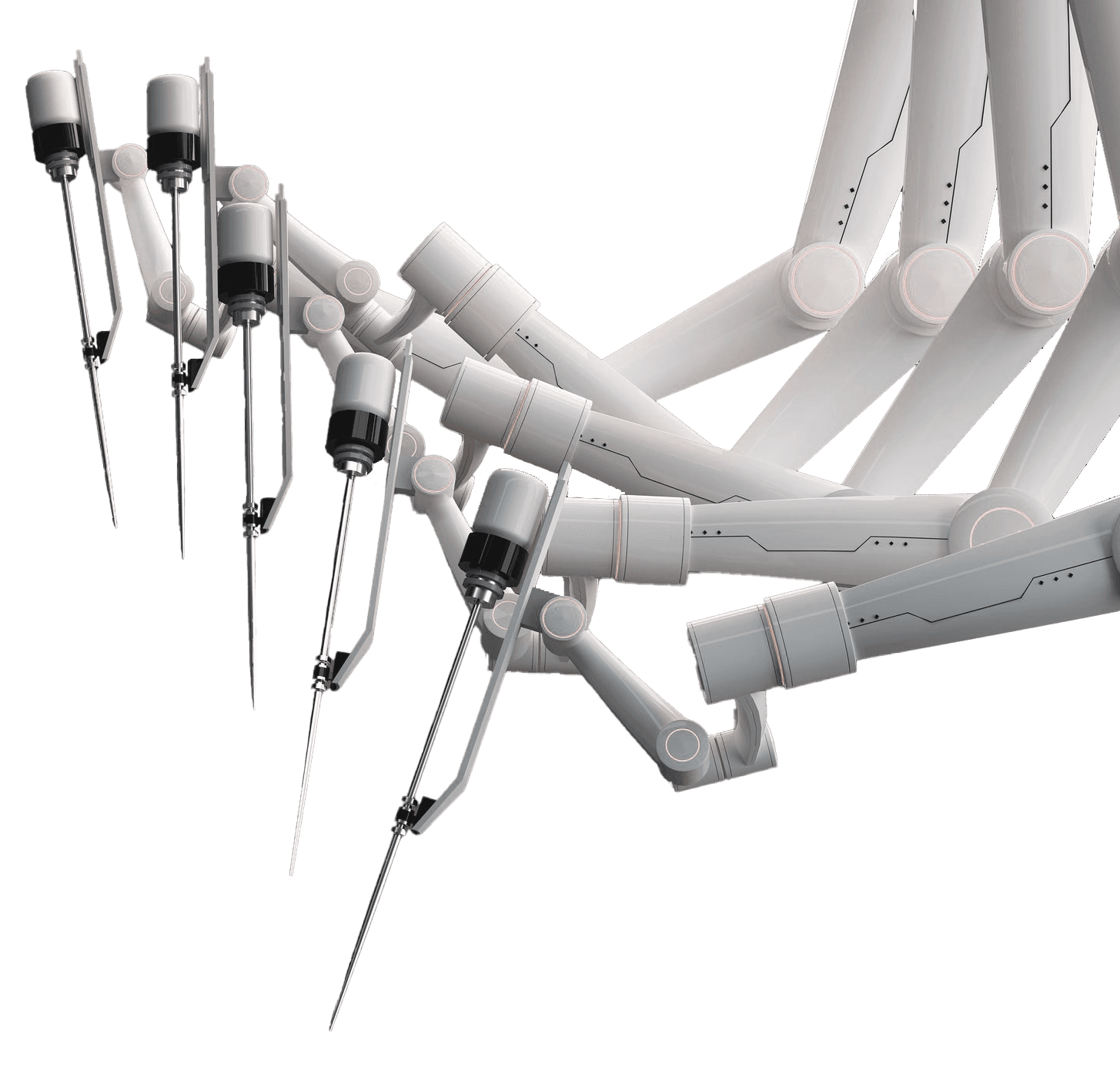
Consumer Electronics Applications
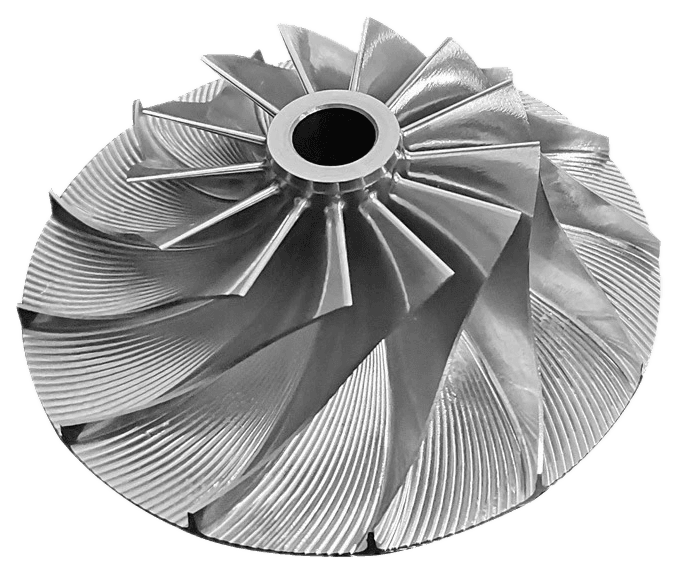
Miniaturized housings, frames, hinges and mounts with fine multi-finish cosmetic surfaces, at high volume with part-to-part consistency.
Explore consumer electronics manufacturing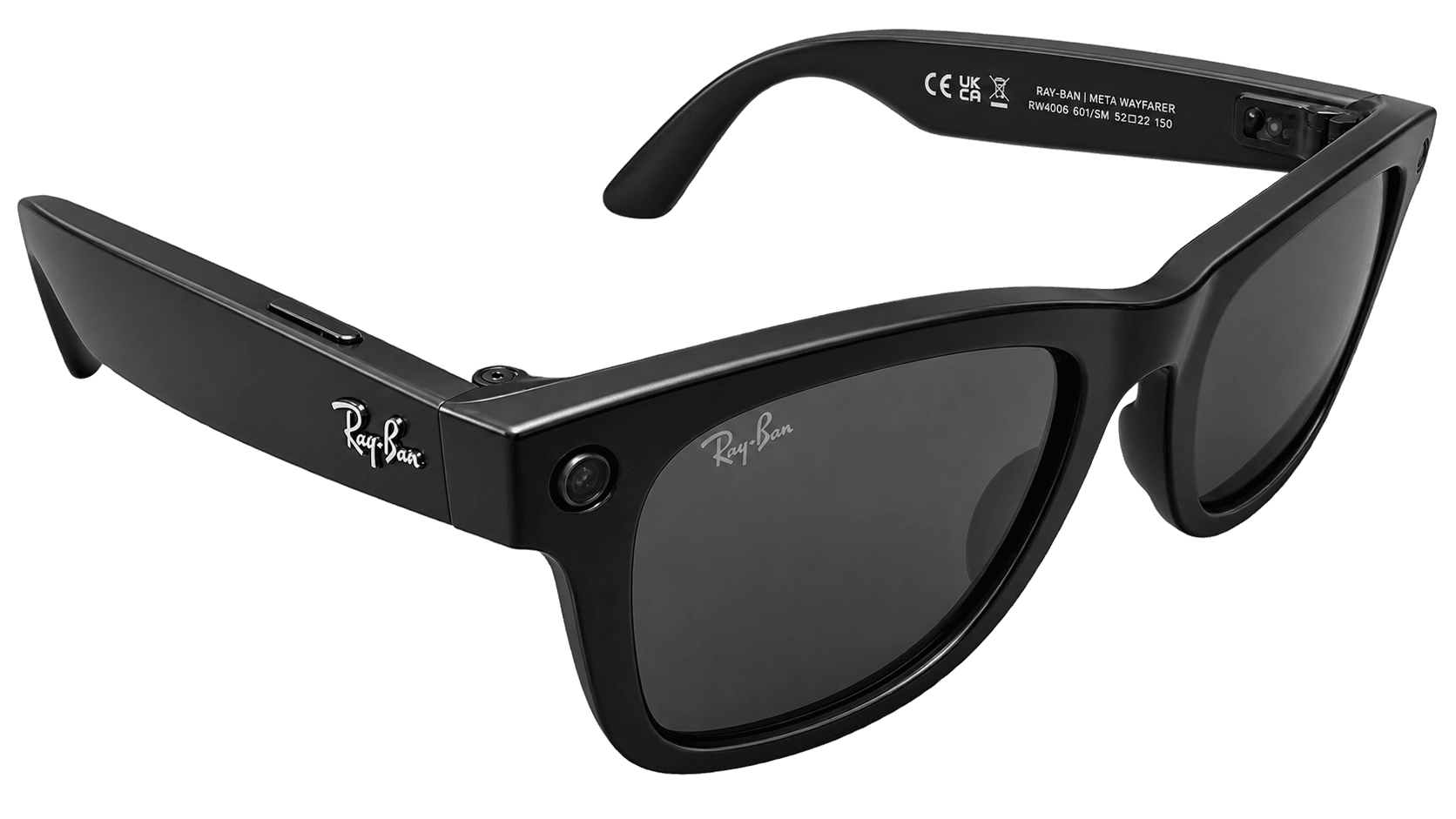
Achievable tolerance on critical features
General tolerance when unspecified
In-house CMM & GD&T verification
From first article through validated production
5-Axis Manufacturing with Azoth
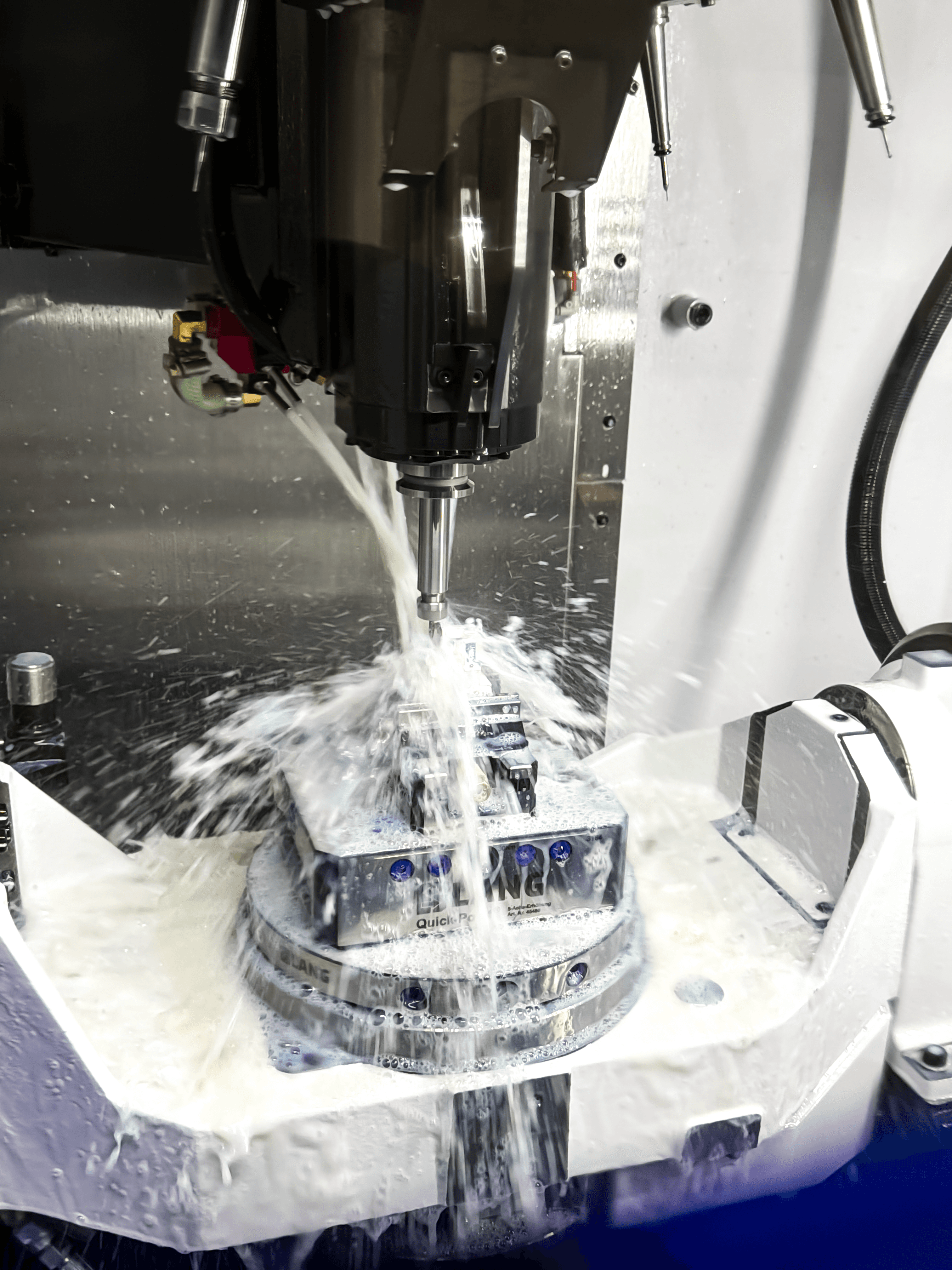
Azoth specializes in producing small, complex, end-use components where precision, repeatability and production scalability matter. 5-axis machining complements additive manufacturing by turning complex printed components into finished, production-ready parts. Our U.S.-based team runs production machining in-house in Ann Arbor, Michigan, for medical, defense and consumer electronics manufacturers.
Fewer Setups and Improved Efficiency
Multiple Sides Machined in One Setup
Ideal for Parts with Complex Geometry
Near-Net Shapes for Precise Post-Machining
Ideal for Parts With
- Angled features
- Multiple faces
- Compound geometry
- Deep pockets
Additive Manufacturing + Precision CNC Machining Under One Roof
| Machining | Heat Treatment | Finishing | Quality |
|---|---|---|---|
| Stainless steels | Solutioning | Cerakote / Powder coat | Blue light scanning |
| Alloy steels | Annealing | PVD (thin metal coating) | Keyence vision / visual inspection |
| Titaniums | HIP (hot isostatic pressing) | Polish | CMM inspection |
| Nickel-based alloys | Aging | Plating | Hard gaging |
| Composites | Passivation |
A sample of common options. See the full materials list, our finishing and post-processing services and our in-house quality inspection.
Bring Us the Parts Others Say Are Too Complex
When your application requires complex geometry, tight-tolerance features and a production process built for repeatability, Azoth's engineers can help determine the right combination of additive manufacturing and 5-axis CNC machining. Ready to manufacture your next component?
3-Axis and 5-Axis CNC Machining
Traditional 3-axis machining moves a cutting tool along three linear directions. A 5-axis machine adds two rotational axes, the difference between reaching a few faces of a part and reaching nearly all of them in one setup.
3-Axis Linear Motion
The Baseline
3-Axis Machining
Moves a cutting tool along three linear directions: X, Y and Z.
- Larger parts due to bigger work envelopes
- Reduce complexity, get parts faster
- Quicker lead times
5-Axis Simultaneous Motion
Two More Axes
5-Axis Machining
Adds two rotational axes, allowing the cutting tool and workpiece to move in multiple directions, accessing more sides and angles of a component without repeatedly removing, repositioning and resetting the part.
For complex components, that added flexibility can make a significant difference in how efficiently and accurately a finished part can be produced.
Engineering Innovation Across Every Sector
We serve a diverse range of industries where precision, performance, and speed matter most. From automotive and aerospace to medical, defense, and energy, we deliver tailored additive manufacturing solutions that meet industry-specific standards and accelerate time to market.
Automotive
Azoth is seamlessly incorporated with over 15 Tier-One Automotive Suppliers and Original Equipment Manufacturers (OEMs), boasting a portfolio of over 50 distinctive components currently in serial production, each accompanied by robust levels three and four Production Part Approval Process (PPAP) documentation.
Learn More