
Polymer Printing
Polymer Printing
Azoth's team of experts can assist with a wide array of plastic additive (3D) manufacturing technologies. Producing parts in Ann Arbor, Michigan, Azoth will work with your engineers to employ the latest in plastic additive technology.
View MaterialsCore Polymer Technologies In-House
From prototyping to production, Azoth selects the optimal polymer process for your application, across extrusion, powder-bed, and resin technologies.
FDM
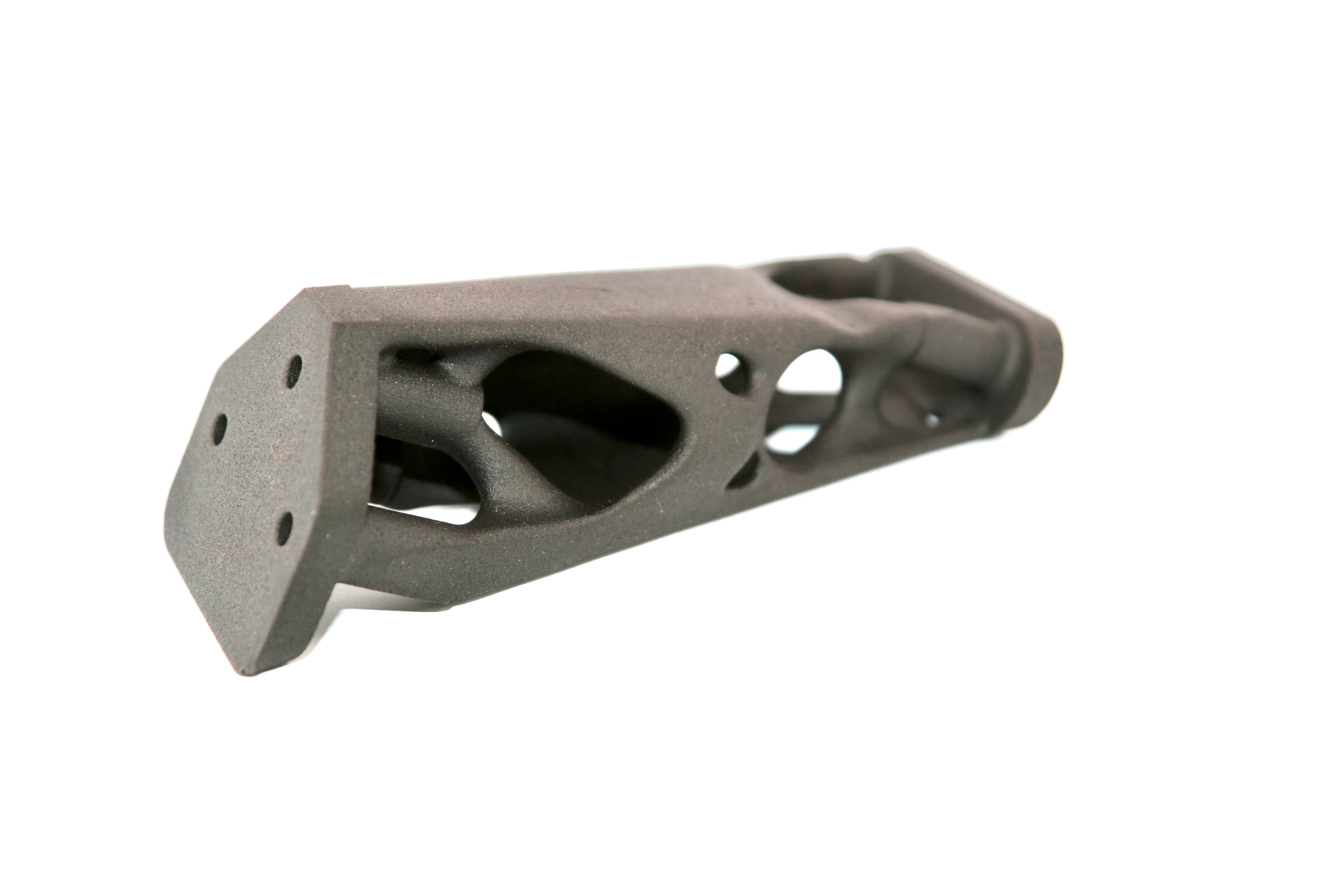
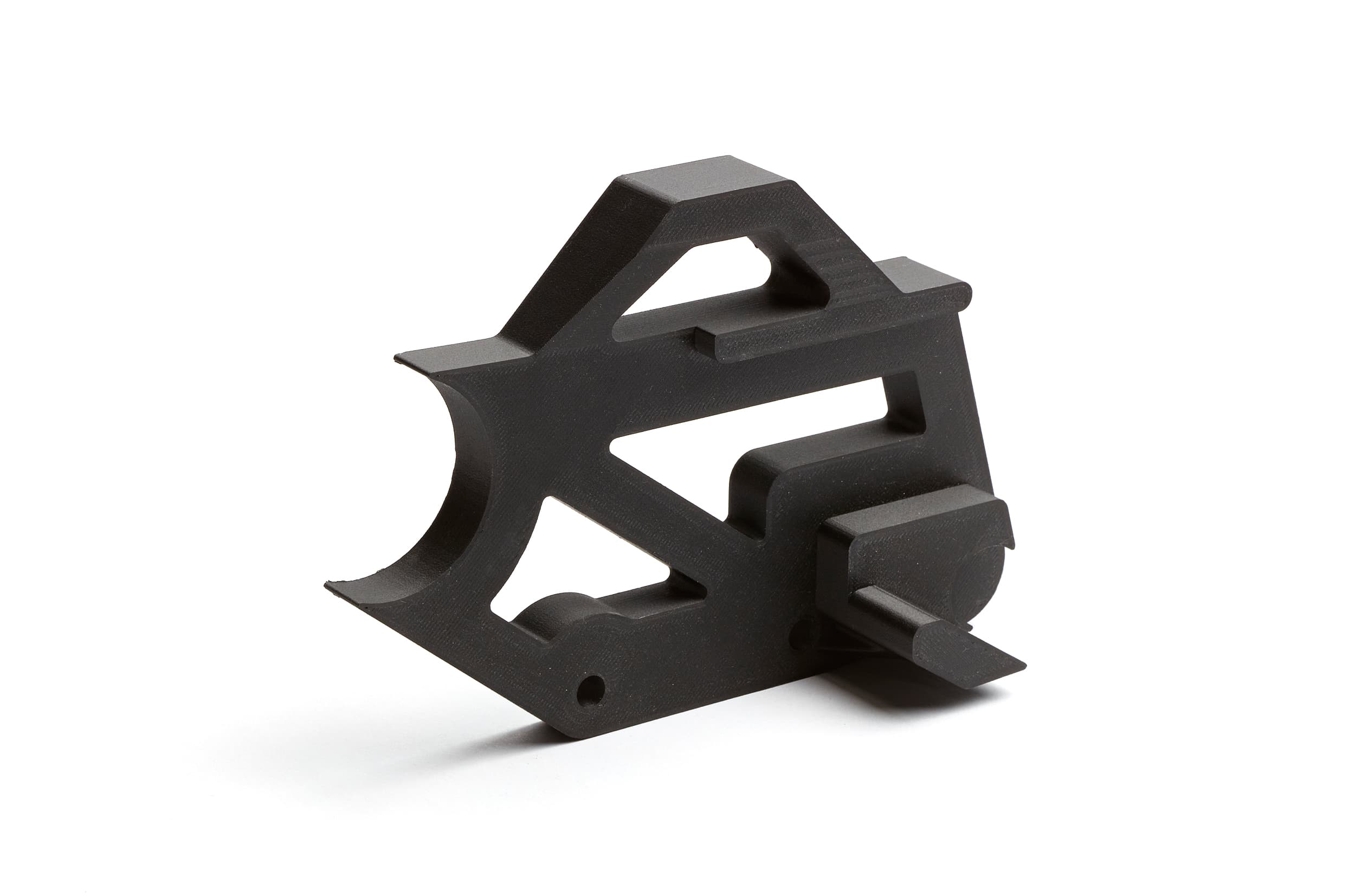
Fused Deposition Modeling (FDM) Printing
Fused deposition modeling, or FDM 3D printing, is a method of additive manufacturing where layers of material are fused together in a pattern to create an object. The material is melted just past its glass transition temperature, then extruded next to or on top of previous extrusions, building an object layer by layer.
High-Quality Reinforcement Fibers
Reinforcement fibers are either natural fibers (animal, mineral, or cellulose) or synthetic fibers such as glass, carbon, polymers, and kevlar, designed to increase rigidity, strength, and the part's impact resistance.
Full-color FDM
SLA / DLP
Stereolithography (SLA) Printing
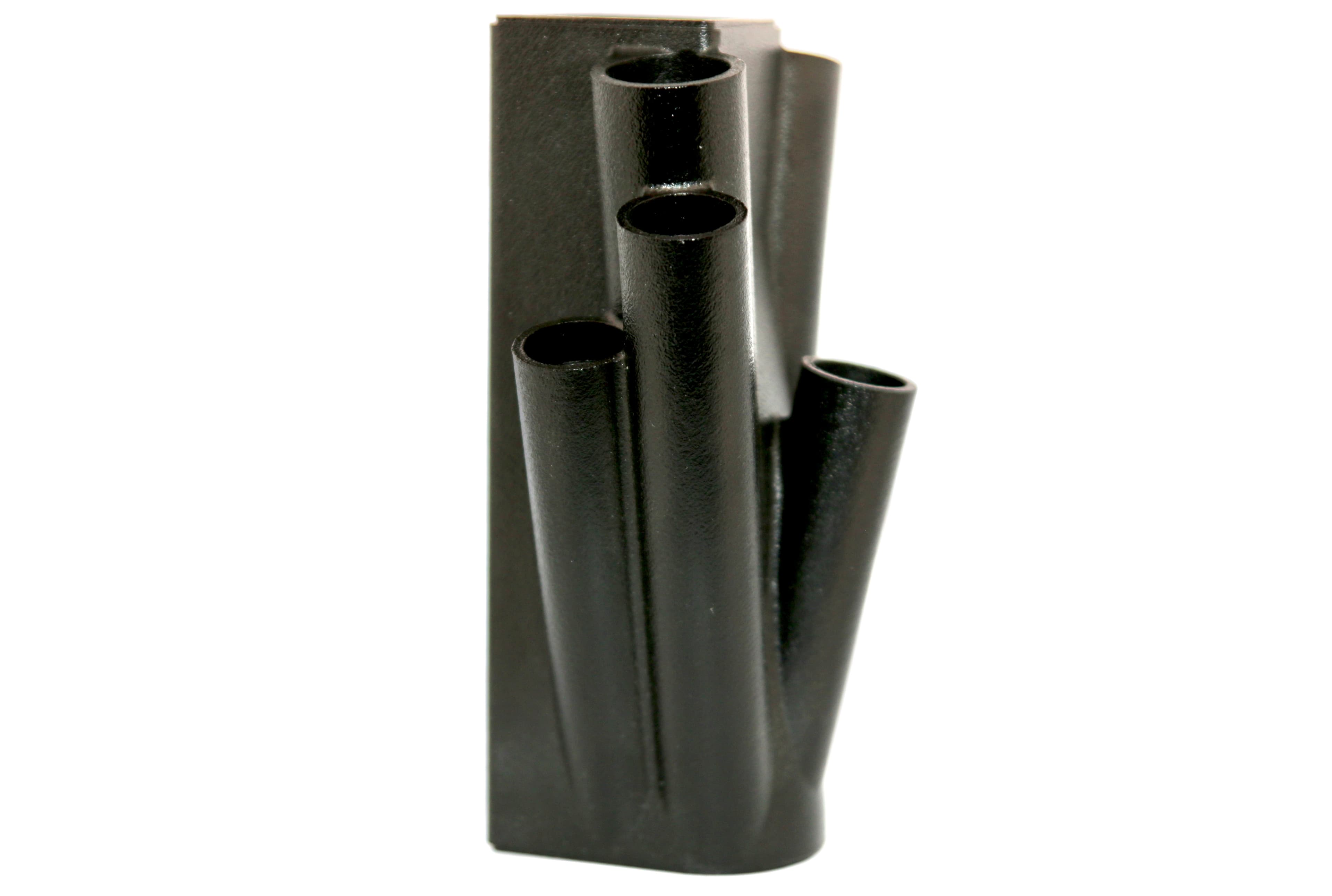
Stereolithography, or SLA printing, is a form of 3D printing used to create models, prototypes, patterns, and production parts layer by layer using a photochemical process in which light causes chemical monomers and oligomers to cross-link into polymers. Those polymers then make up the body of a three-dimensional solid.
Digital Light Processing (DLP) 3D Printing
A DLP 3D printer is used in an additive manufacturing process where objects are created using a digital light projector (DLP) as the light source for curing photo-reactive polymers.
SLS / HP Multi Jet Fusion
Selective Laser Sintering (SLS)
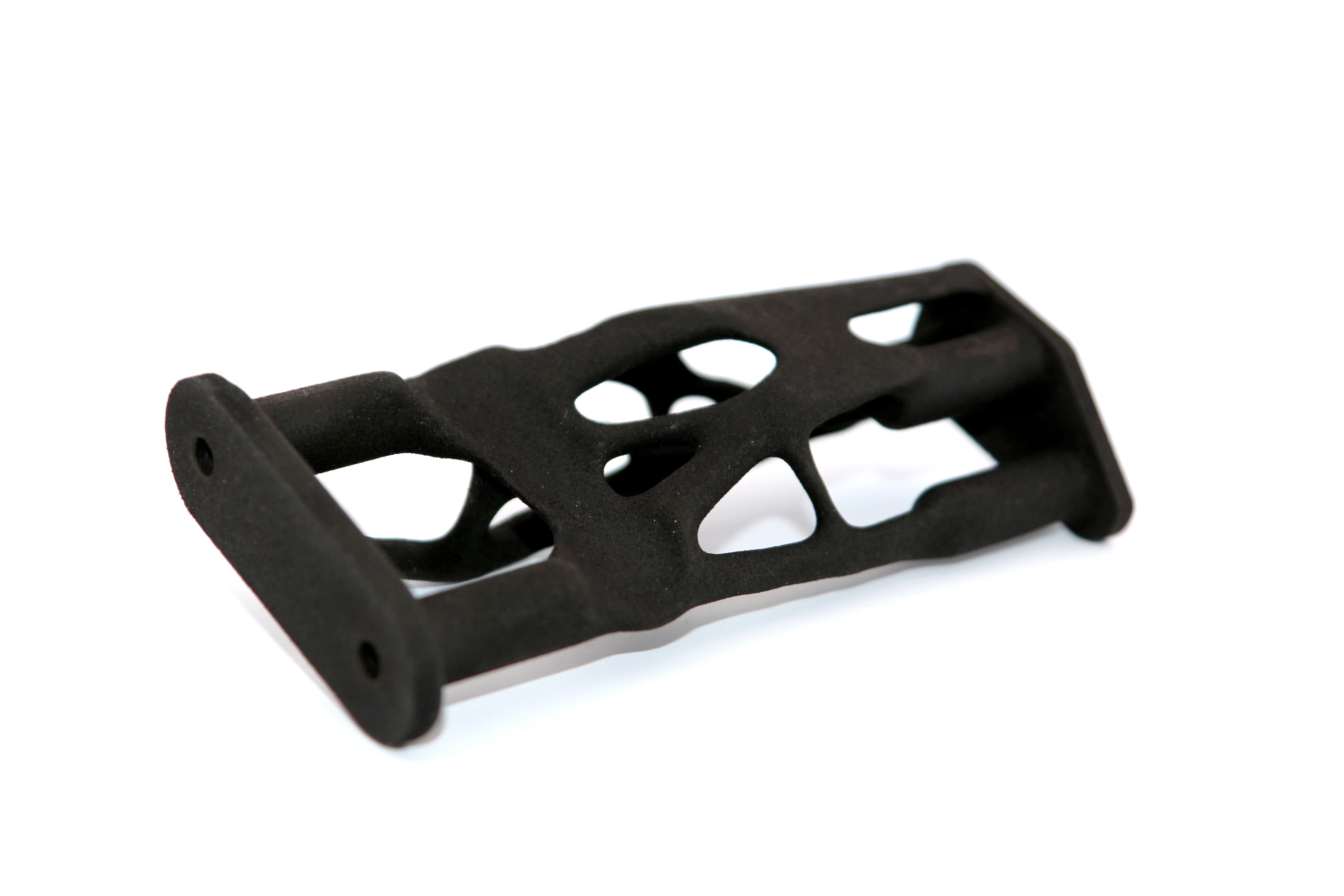
SLS (Selective Laser Sintering) is an additive manufacturing method. It creates parts by sintering fine polymer powder particles to fuse them together locally. Your plastic part is created layer by layer, according to your 3D model.
HP Multi-Jet Fusion 3D Printing
Unlike other 3D printing technologies, HP Multi Jet Fusion prints each layer of new material and agents on top of a previous layer that is still molten, so both layers fuse completely, delivering strong, detailed, and functional 3D-printed parts.