Materials
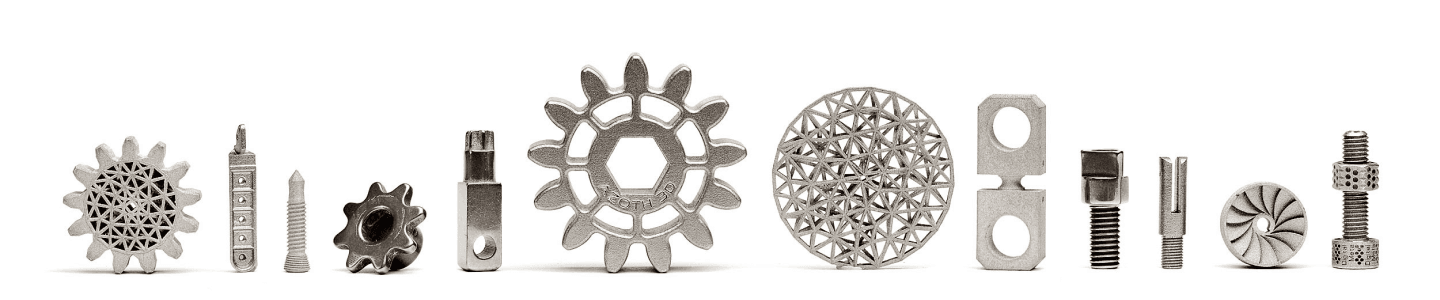
Printed Metals
Azoth has the ability to work with many traditional and experimental materials used in the manufacturing of small, complex parts. Our team of metallurgical experts has mastered the use of materials in the 3D binder jet printing process and works with all types of materials, including but not limited to:
Request A Quote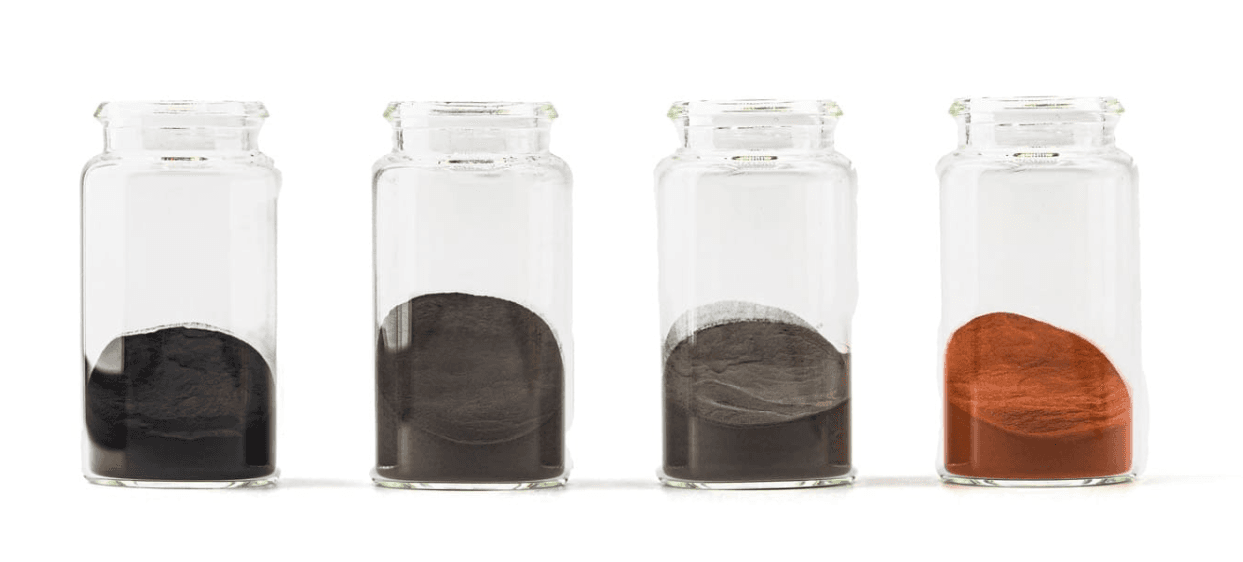
LMM
- 316L Stainless Steel
- 17-4PH Stainless Steel
- Ti-6Al-4V
- Pure Copper
Binder Jetting
- 316L Stainless Steel
- 17-4PH Stainless Steel
- Copper
- Mar M247
- D2 Tool Steel
- Titanium (Ti-6Al-4V)
CNC Metals
Non-Ferrous
- Aluminums
- Brass
- Coppers
- Titaniums
- Nickel-based alloys
Ferrous
- Stainless steels
- Alloy steels
Composites
- Hydlar
Polymers
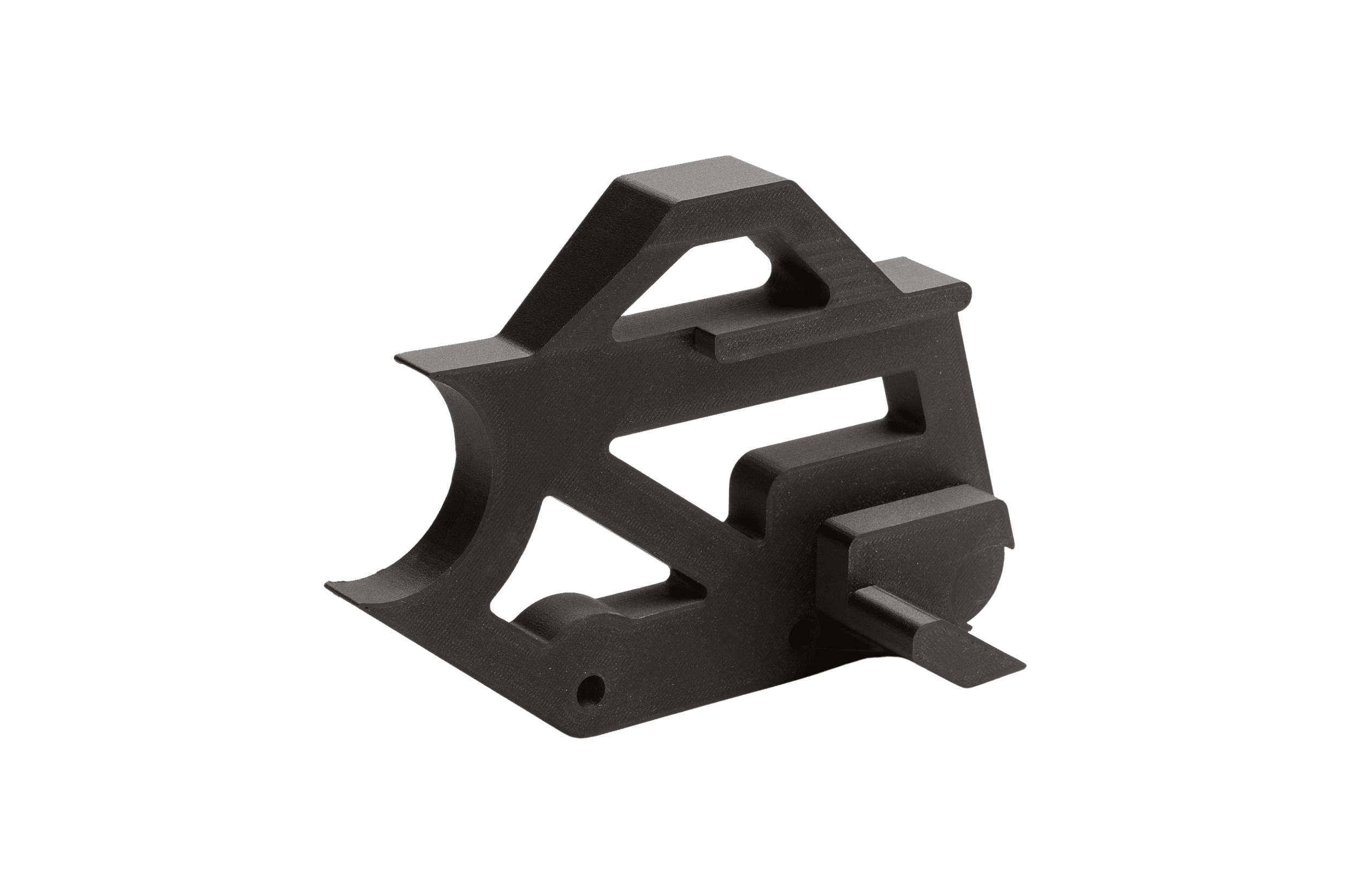
Azoth is a vendor-neutral supplier with five of the seven core polymer additive (3D) printing technologies in-house. Azoth can offer more than 40 different polymers that can be used in manufacturing. We utilize:
- Plastic Fused Deposition Modeling (FDM)
- Selective Laser Sintering
- Stereolithography & Digital Light Processing (SLA)
- HP Multi-Jet Fusion
- Material Jetting
Materials We Use
FDM
- Onyx™
- Carbon Fiber
- Fiberglass
- HSHT Fiberglass
- Aramid Fiber (Kevlar®)
- Smooth TPU 95A
- Precise PLA
- PLA
- Tough PLA
- ABS
- PETG
- CPE
- PC
- PP
- Nylon
- PVA
- TPU 95A
SLA / DLP
- Clear
- Draft (Grey)
- Rigid 10k (White)
- Biomed (Amber/Clear)
- Durable (Cloudy Clear)
- Black Resin
- High Temp (Orange)
- Pro-Resin (Grey)
SLS / HP Multi Jet Fusion
- sPro6 MF
- sPro6 NE
- sPro6 FR
- sPro11B
- sPro11 CF
- sPro12W (Nylon 12 White)
- sProTPU
- mProPP
- mProTPU
Engineering Innovation Across Every Sector
We serve a diverse range of industries where precision, performance, and speed matter most. From automotive and aerospace to medical, defense, and energy, we deliver tailored additive manufacturing solutions that meet industry-specific standards and accelerate time to market.
Automotive
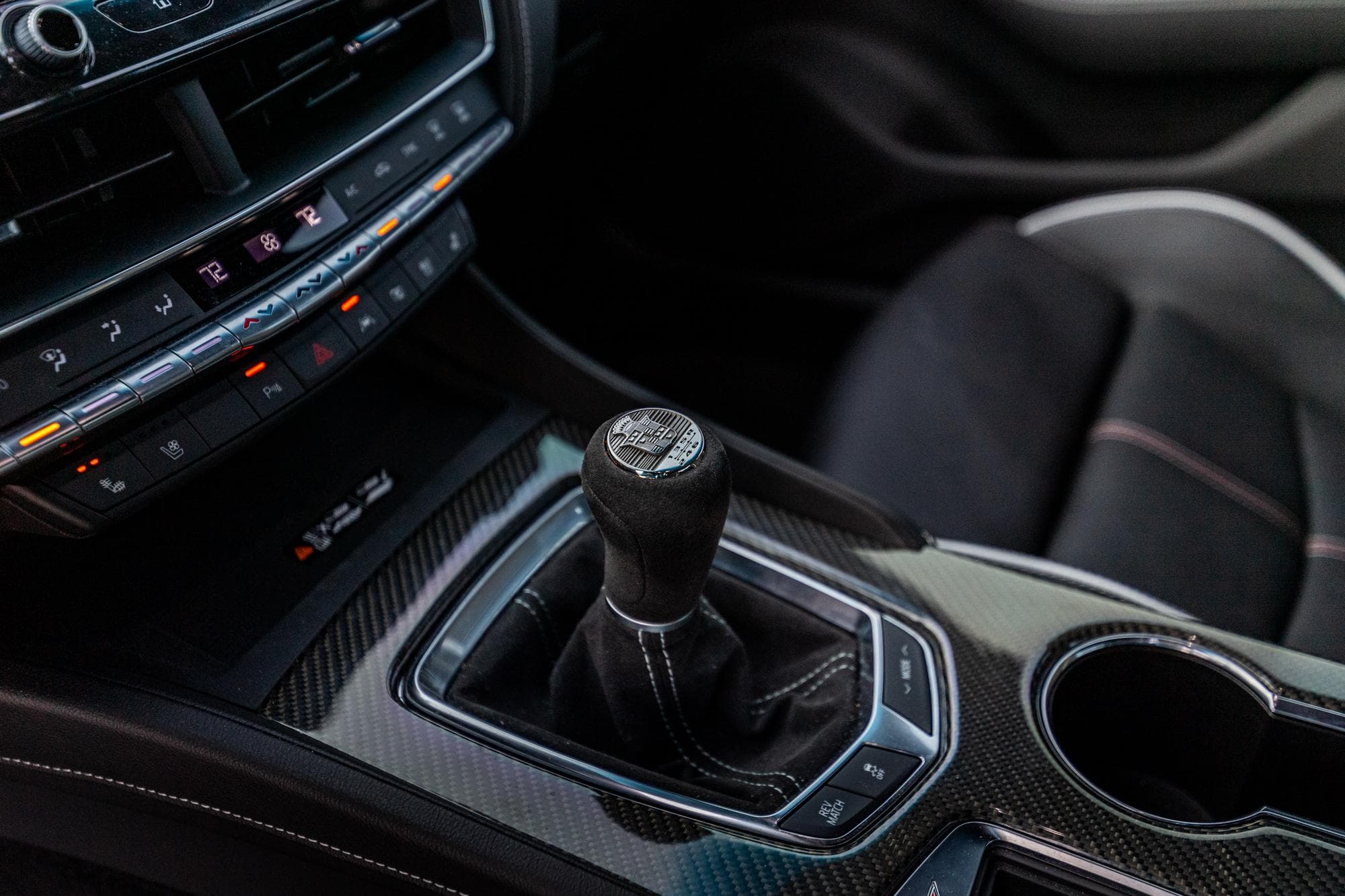
Azoth is seamlessly incorporated with over 15 Tier-One Automotive Suppliers and Original Equipment Manufacturers (OEMs), boasting a portfolio of over 50 distinctive components currently in serial production, each accompanied by robust levels three and four Production Part Approval Process (PPAP) documentation.
Learn More